Understanding production helps a buyer and manufacturer discuss the same specification. The Shunze company catalogue describes cutting, welding, grinding, powder coating and assembly as key production stages. Turn that overview into questions about the actual model you plan to buy.
Start with the design and intended use
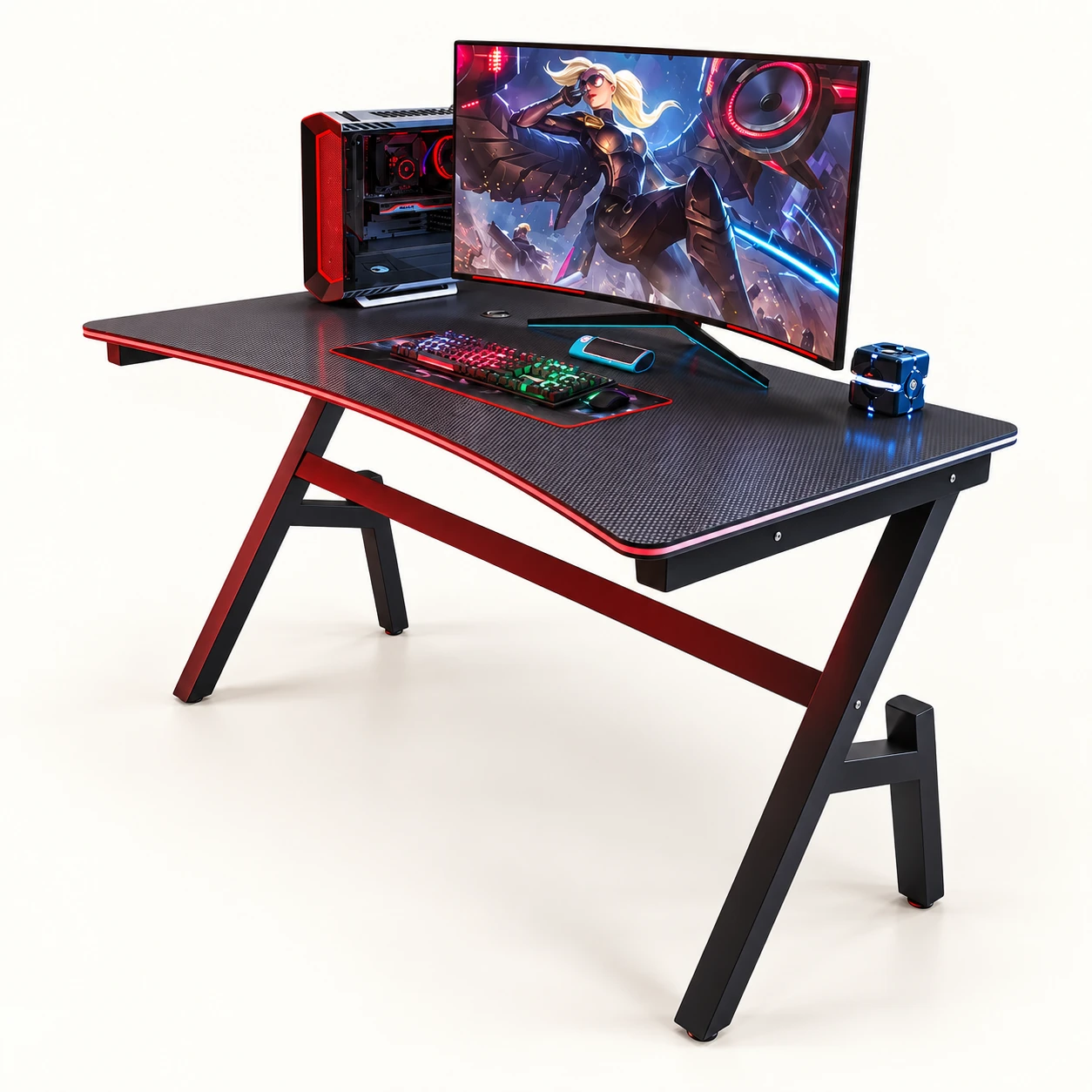
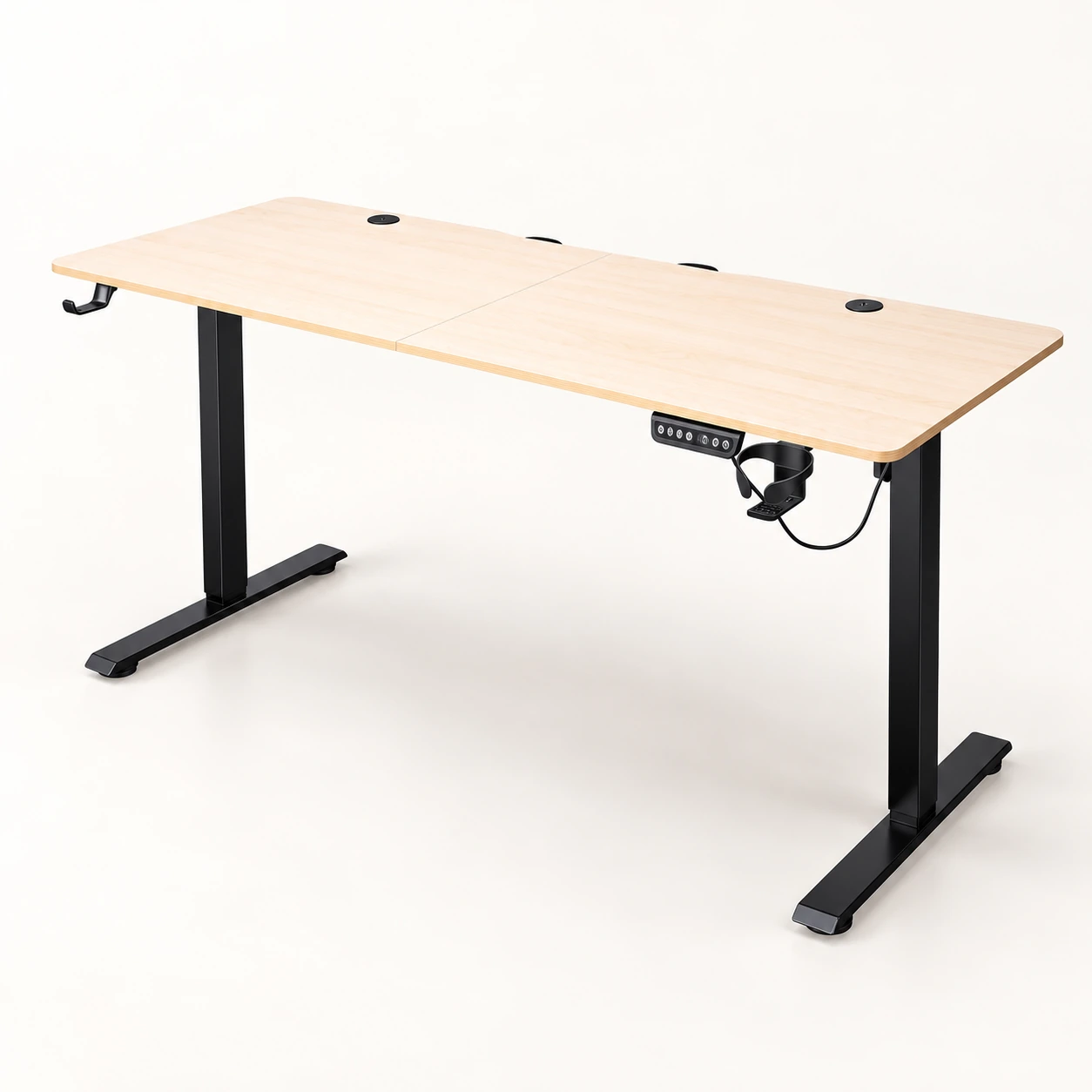
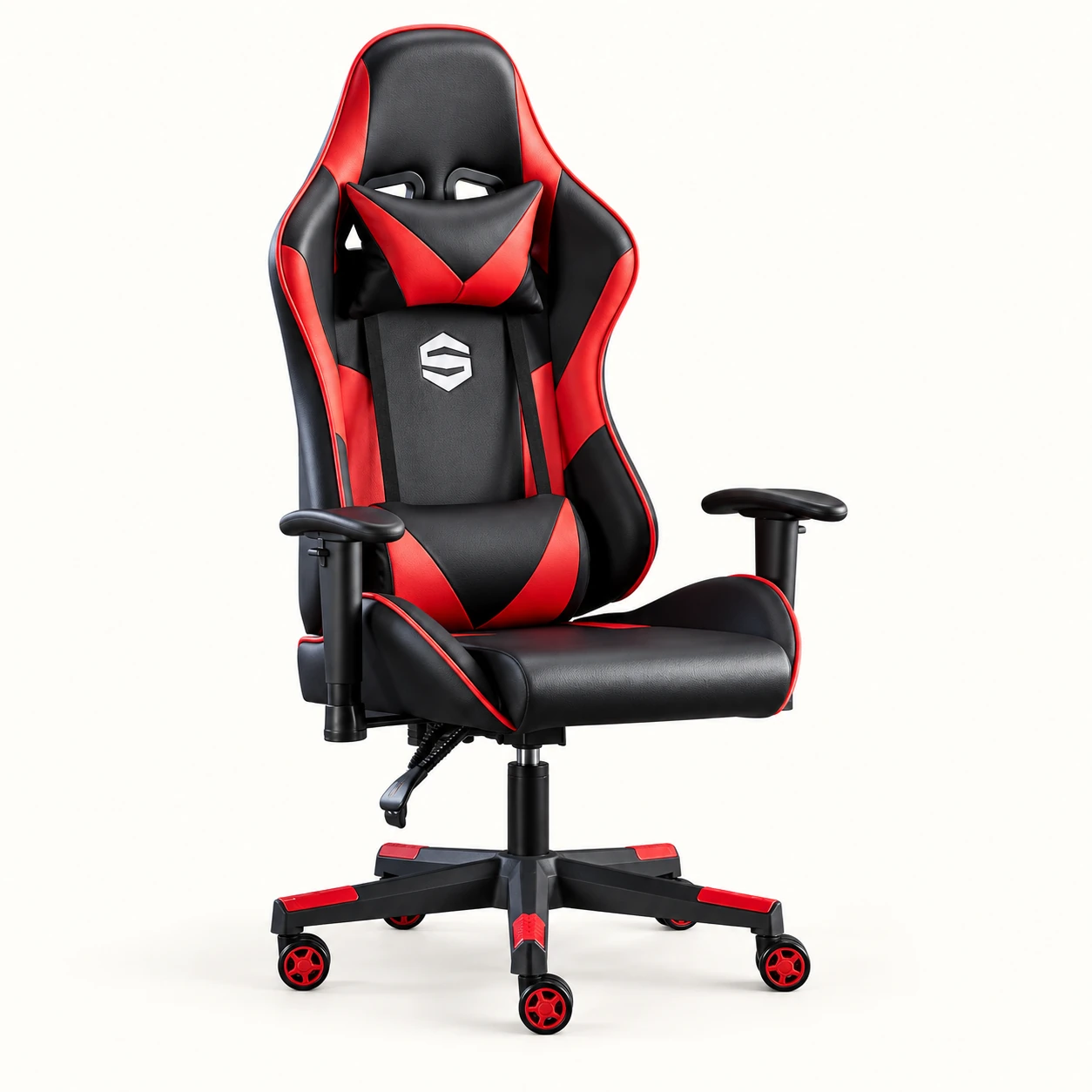
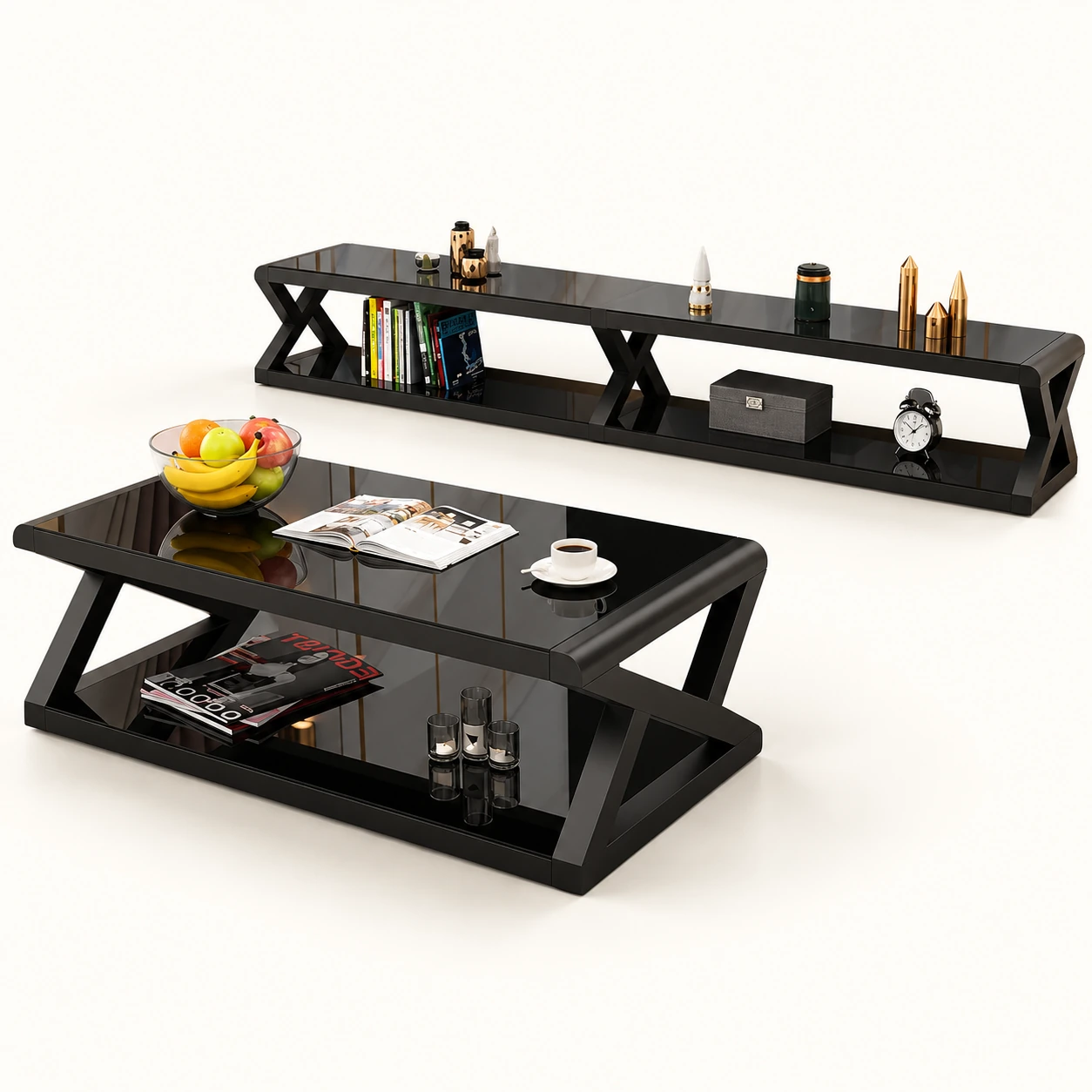
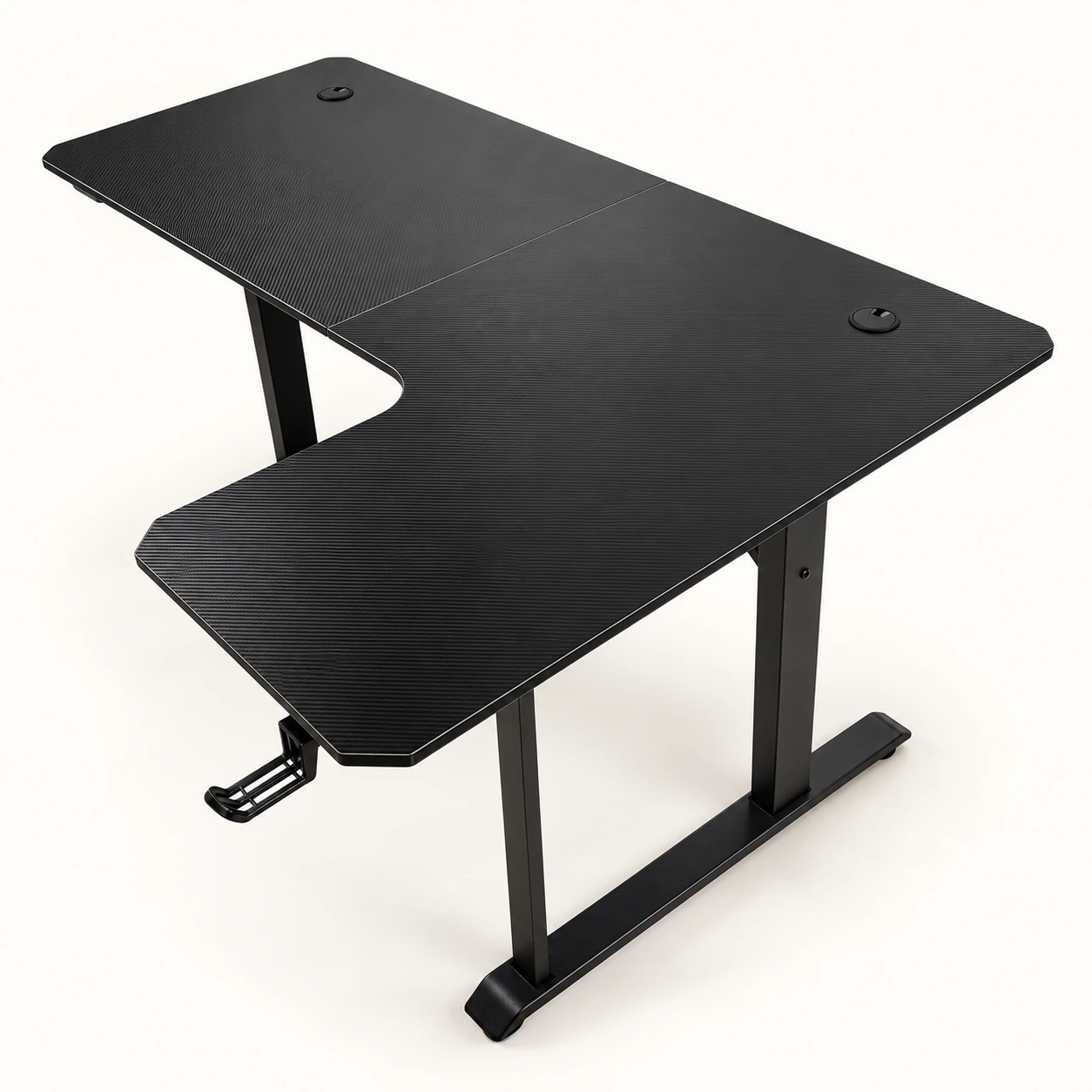
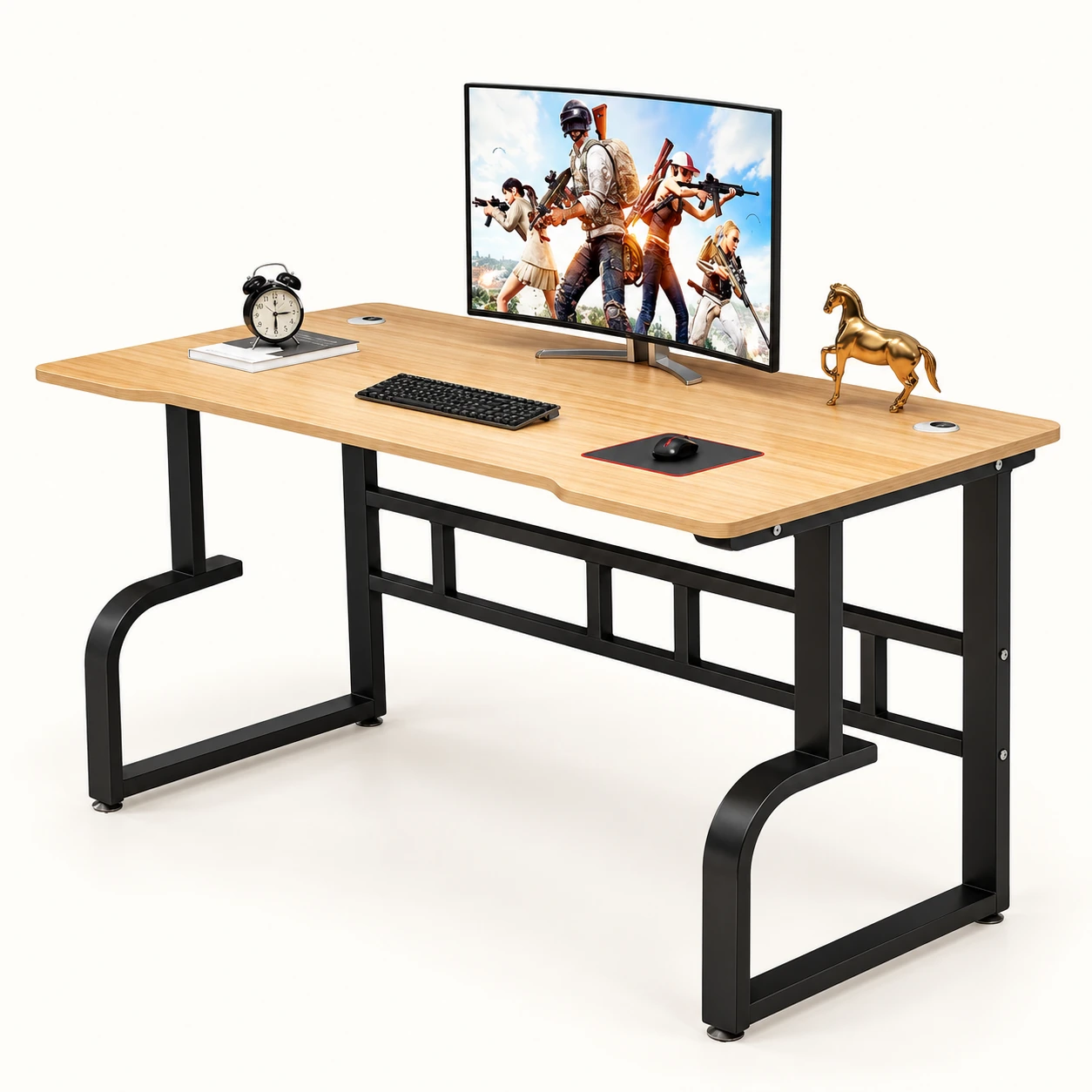
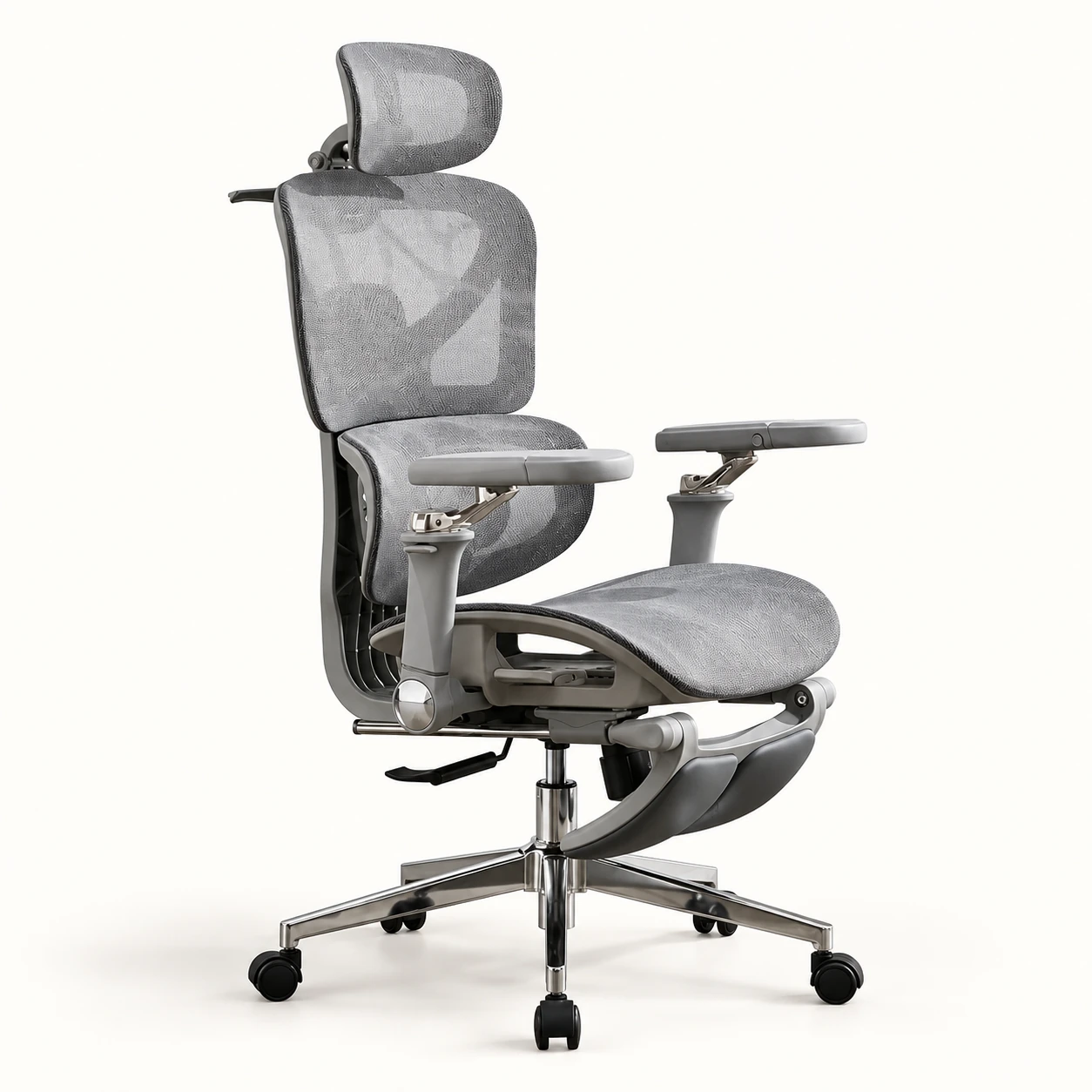
Confirm the model, use case and configuration before discussing manufacturing requirements. Frame shapes, joints and desktop layouts differ; the phrase “steel-frame furniture” alone does not establish suitability for a setting.
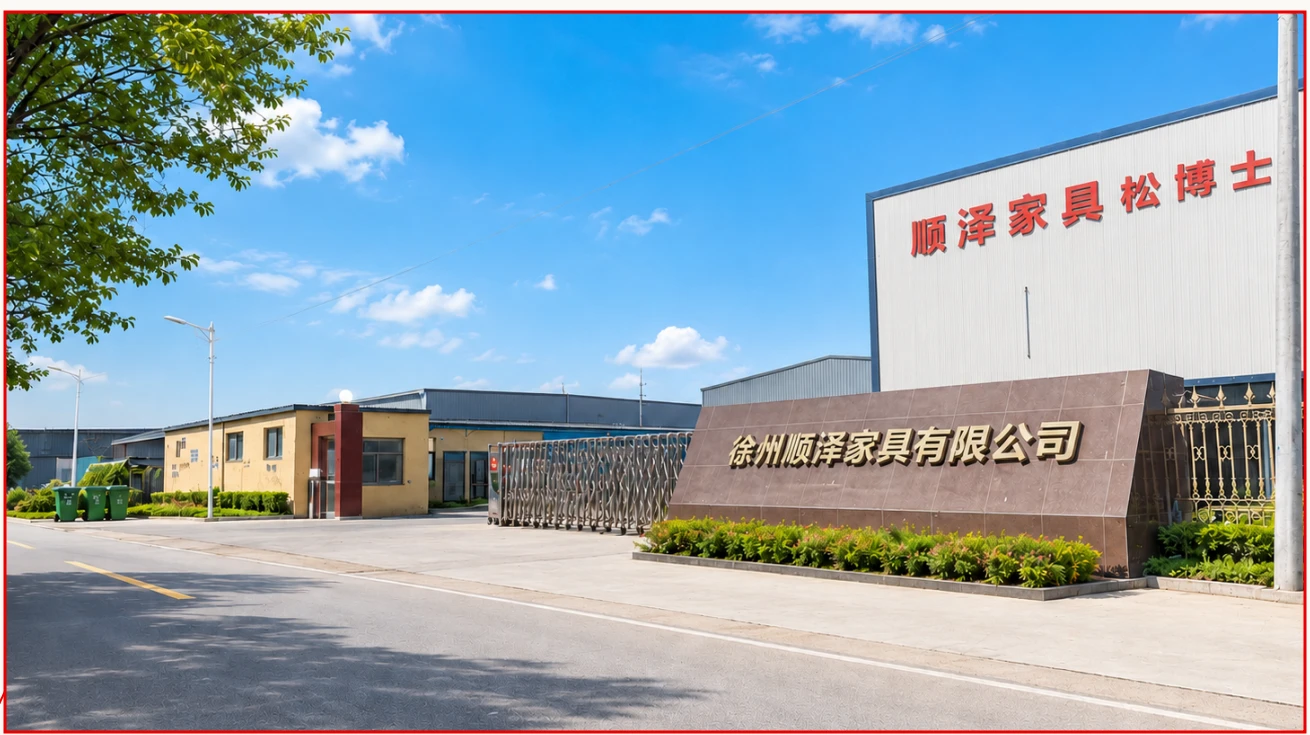
Founded in 2016 in Suining, Jiangsu, Shunze combines product design, scaled manufacturing and sales. The catalogue states a factory area exceeding 16,500 square meters. Company background provides context, while product performance still requires model-specific evidence and sample checks.
Ask questions that can be checked
Cutting, welding, grinding, powder coating and assembly are the stages listed in the catalogue. Ask about appearance samples, joints, finishes and assembly requirements rather than comparing process names alone.
If a project has specific load, durability or surface-performance requirements, explain the conditions and evidence you need. Confirm what verification is available. Neither this article nor the catalogue replaces a model-specific test report.
- Structure, configuration and assembly information for the model.
- Appearance and color references, plus sample approval criteria.
- Project performance requirements and supporting evidence.
- Packaging, accessories and installation-document checks.
Review samples against real delivery requirements
A sample review should cover the product list, accessories and instructions as well as appearance. Record any difference between the sample and intended order, including dimensions, colors or packaging.
Please arrange factory visits by phone. Sharing preferred models and questions beforehand helps focus the discussion. The address and contact options are available on the contact page.
Agree on clear supply conditions
Production planning, timing, shipment and destination conditions depend on the actual order. A manufacturing overview is not a promise of a fixed lead time or suitability for every market.
Keep model selection, sample notes and order requirements in one clear record. Start the conversation with model numbers, quantities and your intended market so both sides can work with confirmed information.
Company facts and model references come from the Shunze product catalogue. The checklists are purchasing guidance, not model-specific test results or supply commitments. Confirm specifications, market requirements and terms for your order.
View the source catalogue ↗